Can You Put Pegs on Any Bike?
No, pegs do not fit every bike. Check BMX axle size, hub hardware, frame approval, and thread engagement before adding pegs to a mountain bike or other bicycle.


Guides reviewed and refreshed with current details.
No, pegs do not fit every bike. Check BMX axle size, hub hardware, frame approval, and thread engagement before adding pegs to a mountain bike or other bicycle.
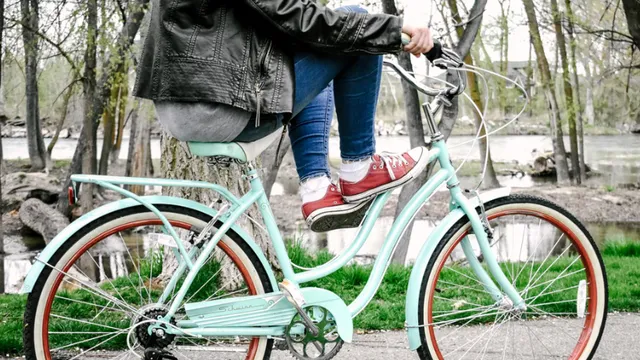
The Schwinn Wayfarer Step-Thru suits upright paved rides. Check its 5'5" to 5'9" fit range, steel-frame weight, seven gears, rack, and assembly needs before buying.
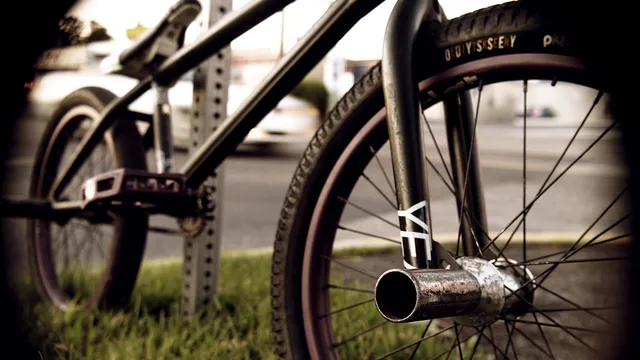
Bike pegs are axle-mounted BMX contact platforms. Learn their purpose and the hub, axle, dropout, fastener, clearance, and inspection checks they require.
Don’t Buy Upgrades, Ride Up Grades
Start with a focused guide, then follow the maintenance or buying journey that matches your bike.
Diagnose flats and wobble, set up tubeless systems, and service valves and wheels.
Clean chains, adjust shifting, remove pedals and cranks, and build a useful tool kit.
Compare fit, budgets, current bikes, and used or discontinued models.
Choose helmets, mirrors, lights, GPS devices, and safe mounting methods.
Find practical bikes and accessories for errands, fitness, and daily transport.
Match shoes to pedals and choose clothing and contact points for the ride.
Research engines, frames, tires, wheels, speed, braking, and legal checks.
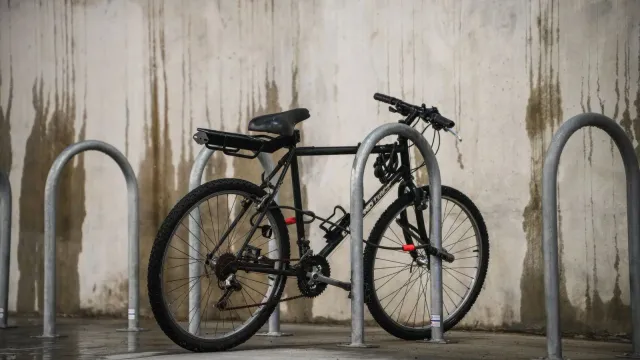
Use this beginner bike commuting safety checklist to prepare the bicycle, helmet, lights, route, cargo, traffic plan, weather response, and backup option.
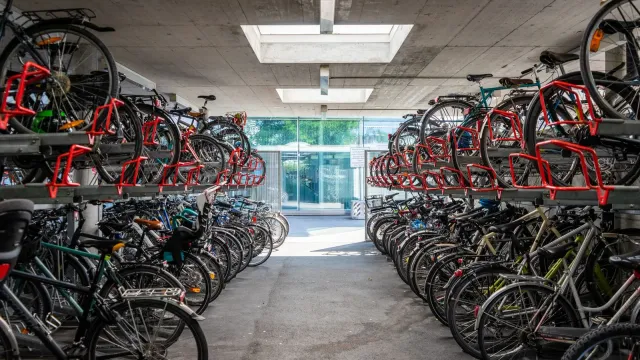
Plan ceiling bike storage with a hook, lift, or rail by checking structure, bike fit, load limits, lifting control, garage clearance, and safe retrieval.

Care for bike suspension in cold weather by checking the maker's setup, seals, pressure, rebound, cleanliness, and service limits before riding.
There is no universal bike commute distance limit. Judge a route by time, effort, traffic, terrain, recovery, weather, work demands, and your backup options.
Compare a bike wall mount and floor stand by structure, lifting, floor space, tire fit, bike contact, access, and security before choosing.
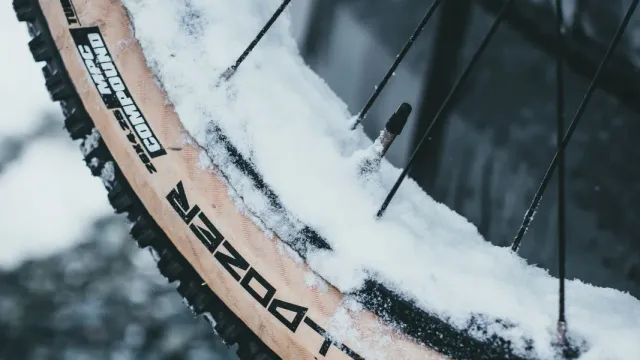
Check tubeless sealant in cold weather by following its label, inspecting the tire and bead, confirming pressure, and carrying a compatible repair plan.
Bike commute in rain with fenders, visible lights, breathable layers, controlled braking, a route plan, and a quick clean-and-lube routine after the ride.
Compare vertical and horizontal bike storage by floor space, wall length, lifting, bike contact, access, and structure, without assuming a universal winner.
Build a winter bike emergency kit around repair tools, warmth, visibility, communication, and a safe exit matched to your bicycle and route.
Reduce sweat on a bike commute with a manageable pace, breathable layers, a practical cargo setup, route timing, and a plan for heat and changing clothes.
Plan garage bike storage with floor stands, wall racks, hooks, and overhead options while protecting bikes, vehicles, walls, and access paths.
Set up winter commuting bike lights by choosing a useful beam, securing front and rear mounts, checking visibility, and carrying a safe backup.